


We’re often asked what the best first step is when building an employee recognition program.
Many people expect us to begin by discussing award designs, presentation ideas, budgets, or recognition criteria. Those elements certainly matter, but our answer is usually much simpler.
Start by saying thank you.
Every successful recognition program begins with appreciation. Before an organization presents an award, hosts a recognition event, or launches a formal employee recognition initiative, employees need to know that their contributions are seen and valued. A sincere thank-you may be one of the simplest forms of recognition, but its impact can be remarkably powerful.
Over the years, we’ve worked with organizations of every size to create recognition programs that celebrate employee achievements, leadership accomplishments, years of service, sales success, and company milestones. While every program is different, the strongest ones share a common foundation: they begin with genuine appreciation.

A simple thank-you can be the first step toward a stronger recognition culture.
Why Recognition Matters
Every organization is built on the efforts of its people.
Whether someone works in leadership, sales, customer service, operations, manufacturing, accounting, or administration, their daily contributions help move the organization forward. Yet in many workplaces, employees spend more time hearing about challenges and deadlines than they do hearing that their work is appreciated.
Recognition helps change that.
When employees know their efforts are valued, they often feel more connected to their role, their team, and the organization’s mission. Recognition also helps reinforce the behaviors and accomplishments a company wants to encourage. It communicates what success looks like and reminds employees that their work has a meaningful impact.
At its core, recognition is not about trophies or titles. It is about helping people feel valued for their contributions.
The Small Moments Often Matter Most
One of the most common misconceptions about employee recognition is that it needs to be elaborate to be effective.
In reality, some of the most meaningful moments are often the simplest. A personal conversation, a handwritten note, a public acknowledgment during a meeting, or a phone call after a successful project can leave a lasting impression. These small gestures demonstrate something employees want to know: that their effort has been noticed.
The goal is not perfection. The goal is consistency.
We’ve seen many organizations create meaningful recognition programs over the years, but the most successful ones don’t rely solely on annual awards or formal presentations. They make appreciation part of the way they operate. Employees who regularly hear that their work is valued are often more engaged, more confident, and more motivated to contribute to the success of the team.
Make Recognition Personal
The most effective recognition is specific.
Rather than offering a generic “great job,” take the time to explain what the employee accomplished and why it mattered. Specific recognition feels more authentic because it shows that someone noticed the effort behind the result.
For example, recognizing an employee for solving a difficult customer issue, leading a successful project, mentoring a new team member, or consistently supporting coworkers carries far more meaning than a simple compliment. The details help reinforce the behaviors that contribute to the organization’s success while making the recognition feel personal and sincere.
Employees want to know their work made a difference. The more personal the recognition, the greater the impact tends to be.
Building a Culture of Recognition
Recognition is most effective when it becomes part of company culture rather than a once-a-year event.
The strongest organizations create multiple opportunities for appreciation throughout the year. Managers recognize achievements, teams celebrate milestones, peers acknowledge one another’s contributions, and leadership reinforces company values through meaningful recognition.
Over time, these moments help establish a culture where appreciation becomes part of the organization’s identity.
When recognition becomes part of the culture, employees begin to understand which behaviors are valued, which accomplishments are celebrated, and how their individual efforts contribute to the company’s overall success.

When Appreciation Becomes a Recognition Program
As organizations grow, many begin looking for ways to make recognition more visible, more consistent, and more meaningful.
Formal recognition programs offer opportunities to publicly celebrate accomplishments while reinforcing company values and performance expectations. Many organizations create programs around years of service, leadership achievements, sales performance, innovation, customer service excellence, safety milestones, team accomplishments, and employee-of-the-month initiatives.
The most successful programs do not replace everyday appreciation. Instead, they build upon it.
The daily thank-you, the encouraging conversation, and the acknowledgment of a job well done lay the foundation. Formal recognition programs provide additional opportunities to celebrate achievements and share those successes throughout the organization.
Award programs work best when they support a culture that already values appreciation. The award makes the moment visible, but the meaning comes from the recognition behind it.
Why Physical Recognition Still Matters
Much of today’s workplace communication is temporary. Emails are archived, messages are quickly buried, and announcements are often forgotten.
A meaningful award is different.
Whether displayed in an office, conference room, reception area, or home workspace, a recognition award serves as a lasting reminder of an accomplishment worth celebrating. It provides visible evidence that the recipient’s hard work, dedication, and achievements mattered.
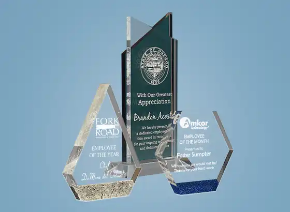
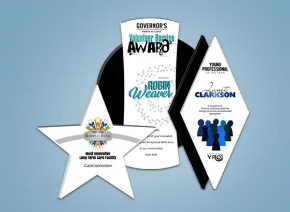
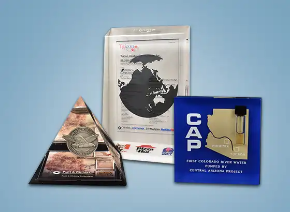
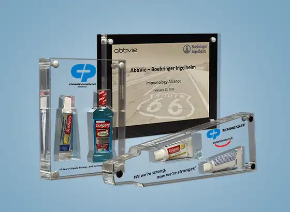
This is one reason organizations continue to invest in custom acrylic awards and acrylic trophies. The recognition does not end when the presentation concludes. The award continues telling the story long after the ceremony is over.
For years-of-service programs, sales achievements, leadership recognition, and employee excellence awards, a thoughtfully designed recognition piece helps transform a moment of appreciation into a lasting memory.

Ideas for Building an Effective Recognition Program
When developing a recognition program, consider a few simple principles.
- Make appreciation the primary goal.
- Recognize specific accomplishments rather than general performance.
- Explain why the recognition is being given and how the recipient earned it.
- Celebrate achievements publicly when appropriate.
- Align recognition with company values.
- Encourage managers to actively participate in the process.
- Create opportunities for recognition throughout the year.
The best recognition programs create consistency while still allowing recognition to feel personal.
Recognition That People Remember
A thank you can change someone’s day. A thoughtful recognition program can influence company culture for years.
Whether you’re recognizing a milestone achievement, celebrating outstanding performance, honoring years of service, or acknowledging a job well done, the goal remains the same: helping people feel valued for their contributions.
When appreciation becomes part of the culture, recognition becomes more than an event. It becomes part of how an organization operates.
Support Your Recognition Program with Meaningful Awards
A strong recognition program deserves awards that reflect the significance of the achievement being celebrated.
Whether you’re recognizing years of service, leadership accomplishments, sales performance, employee excellence, or organizational milestones, the right recognition piece can help reinforce the value of the moment and the appreciation behind it.
At US Acrylic Awards, we’ve spent decades helping organizations create custom recognition programs using acrylic awards, acrylic trophies, and personalized recognition pieces designed to celebrate the people who make success possible.


